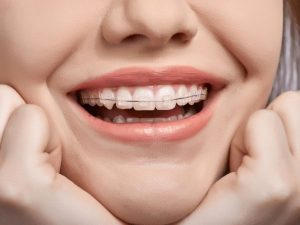
Your veneers were designed to look natural, feel comfortable, and blend seamlessly with your smile. But like any dental restoration, they can change over time, and knowing what to watch for helps you act early rather than waiting for a small issue to become a bigger one.
If you’re searching for guidance on dental veneers in West Ryde, this guide walks you through the signs your veneers may need a professional check-up, what typically causes these changes, and when it’s time to book a consultation.
At a Glance
- Chips, cracks, or rough edges are among the most common signs a veneer needs review.
- Staining around the veneer margin may indicate changes to the bonding seal, rather than simply surface discolouration.
- Sensitivity to hot or cold near a veneered tooth is worth mentioning to your dentist.
- A veneer that feels loose or shifts slightly should be assessed promptly.
- Regular dental check-ups help catch veneer issues before they affect your bite or surrounding teeth.
What Are the First Signs a Veneer Needs Attention?
The first signs a veneer needs attention are usually visible or textural changes you can notice yourself, such as chipping, discolouration at the edges, or a rough patch when you run your tongue over the tooth.
These changes don’t always come with pain, which is why regular self-checks matter. Many patients also notice a veneer looks slightly different from its neighbouring teeth after a few years, particularly if the natural teeth around it have changed shade.
If you’ve had dental veneers in West Ryde fitted and notice any of these changes, it’s worth having them checked rather than waiting for a scheduled visit.
Composite veneers may show wear sooner than porcelain in some cases, as the material can be softer and more porous. Porcelain veneers can be more stain-resistant in many cases, but they may still develop hairline cracks from grinding, biting hard foods, or an accidental knock.
Why Do Veneers Chip or Crack Over Time?
Veneers chip or crack most often due to mechanical stress, such as teeth grinding (bruxism), biting on hard objects like ice or pen lids, or using teeth to open packaging. Even a well-fitted veneer has limits, and repeated pressure in one spot can eventually cause a fracture.
Other contributing factors include:
- Nighttime teeth grinding without a protective guard
- Trauma from sports or accidental impact
- Ageing bonding material that gradually weakens
- Uneven bite pressure from misaligned teeth
If you notice a chip, even a small one, it’s worth having it assessed rather than waiting, since rough edges can catch on your lip or tongue and may worsen with continued use.
Can Staining Around a Veneer Mean a Problem?
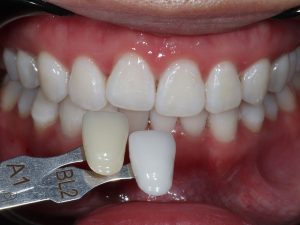
Staining around the edge of a veneer, rather than across its surface, often indicates that the bonding seal has started to break down, which may allow moisture or debris to collect at the margin. This is different from general surface staining, which usually responds to a professional clean.
Margin staining is more common in veneers that are several years old or in patients who consume a lot of tea, coffee, or red wine. It doesn’t always mean the veneer needs replacing, but a dentist can check whether the seal needs to be redone to prevent further discolouration or decay underneath.
Is Tooth Sensitivity a Sign of a Veneer Issue?
New or increased sensitivity to hot, cold, or sweet foods near a veneered tooth can indicate that the veneer’s seal has been compromised or that the underlying tooth structure needs review.
Sensitivity that appears suddenly, especially if it wasn’t present when the veneer was first placed, is a useful signal to bring up at your next visit.
In some cases, sensitivity is linked to minor enamel exposure at the veneer’s edge. In others, it may relate to an entirely separate issue, such as gum recession. Either way, a dental check-up can help identify the cause rather than guessing.
What Does a Loose or Shifting Veneer Feel Like?
A loose or shifting veneer typically feels different when you bite down, may create a small gap you can feel with your tongue, or might rock slightly under pressure.
This is one of the clearer signs that professional attention is needed soon, as a loose veneer can allow bacteria to reach the tooth underneath.
Some patients describe it as the tooth “feeling different” before they can pinpoint exactly what’s changed. Trusting that instinct and booking a check is a sensible next step.
How Often Should Veneers Be Checked by a Dentist?
Veneers should generally be checked at your regular six-monthly dental visit, though any sudden change, chip, or discomfort warrants an earlier appointment. Routine check-ups allow your dentist in West Ryde to assess the seal, the surrounding gum tissue, and how the veneer is holding up against your bite over time.
Simple Habits That Help Protect Your Veneers
Between visits, simple habits support your veneers’ condition:
- Brush and floss as you normally would, avoiding overly abrasive toothpaste.
- Avoid using teeth as tools to open packets or bottles.
- Wear a night guard if you’re prone to grinding.
- Limit prolonged exposure to strongly staining foods and drinks.
Frequently Asked Questions
How do I know if my veneer is cracked or just stained?
A crack often creates a visible line, rough edge, or sharp feeling with your tongue, while staining is usually a colour change without any texture difference. If you’re unsure, a dental check-up can clarify which one you’re dealing with.
Can a chipped veneer be repaired, or does it need replacing?
Small chips can sometimes be smoothed or repaired, while larger fractures may require a new dental veneer. Your dentist can assess the extent of the damage and discuss which option may suit your situation.
Does veneer discolouration mean I need whitening treatment?
Veneers don’t respond to whitening treatments the way natural teeth do, so discolouration is usually addressed through cleaning, polishing, or in some cases replacement, depending on the cause.
Is it normal for veneers to feel different after several years?
Some gradual change in feel or appearance can be normal, but it’s worth having a dentist confirm whether it’s just wear or something that needs attention.
What happens if I ignore a loose veneer?
Leaving a loose veneer unchecked can allow bacteria to reach the tooth underneath, which may lead to further complications. Prompt assessment is generally recommended.
Conclusion
Veneers are designed to be a durable, long-term option when properly cared for, but like any dental work, they benefit from attention when something changes. Chips, edge staining, new sensitivity, or a veneer that feels loose are all reasonable prompts to book a check-up rather than wait and see.
Regular dental visits remain the simplest way to catch small issues early, before they affect your comfort or your smile.
If something feels off with your veneers, the team at Dental and Facial Clinic West Ryde can take a look and talk you through your options.
References:
- NHS. (n.d.). Dental treatments. Available at: https://www.nhs.uk/live-well/healthy-teeth-and-gums/dental-treatments/
- Healthdirect Australia. (n.d.). Teeth grinding (bruxism). Available at: https://www.healthdirect.gov.au/teeth-grinding
- World Health Organization. (n.d.). Oral health. Available at: https://www.who.int/news-room/fact-sheets/detail/oral-health
- National Library of Medicine. (2013). Durability of bonds and clinical success of adhesive restorations. Available at: https://pmc.ncbi.nlm.nih.gov/articles/PMC3863938/