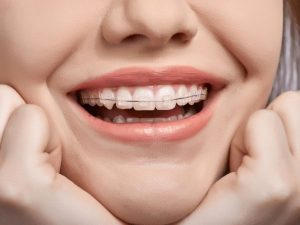
If your teeth have started to shift, feel crowded, or you’ve simply outgrown the idea of a mouth full of metal, you may be wondering whether there’s a more discreet way to straighten your smile.
Ceramic braces in West Ryde are one option many teens and adults look into when they want an orthodontic treatment that blends in more naturally with their teeth.
This guide walks through what ceramic braces are, the situations where people commonly consider them, and what to expect if you decide to explore this option with your dentist.
At a Glance
- Ceramic braces use tooth-coloured or clear brackets instead of metal, making them less noticeable.
- They work in a similar way to traditional braces, using brackets and wires to gradually move teeth.
- They may suit teens and adults who want a less visible option during treatment.
- Treatment length varies from person to person and depends on your individual dental needs.
- A dentist can assess your teeth and discuss whether ceramic braces may be a suitable option for you.
What Are Ceramic Braces?
Ceramic braces are a type of fixed orthodontic appliance that use brackets made from a tooth-coloured or clear ceramic material rather than metal. They work on the same basic principle as traditional braces: brackets are attached to each tooth and connected by a thin wire, which is adjusted over time to gradually guide teeth into a new position.
The main difference is visibility. Because the brackets blend in with the natural colour of the tooth, they tend to be less obvious than traditional metal brackets, particularly from a distance.
This is one of the main reasons patients considering ceramic braces in West Ryde ask about them specifically, rather than opting for traditional metal brackets by default.
Many patients ask about this option because they want to continue with everyday activities, work, or study without their braces being the first thing people notice.
What Are the Signs You Might Consider Ceramic Braces?
You might consider ceramic braces if you have mild to moderate crowding, spacing, or bite concerns and would prefer a more discreet appliance than traditional metal braces. Some common reasons people raise this option with their dentist include:
- Noticeable gaps or overlapping teeth that affect confidence in social or professional settings
- A preference for an orthodontic option that is less visible in photos or during video calls
- Previous orthodontic treatment as a teen that has partially relapsed
- A desire to address alignment issues without a highly visible metal appliance
Every case is different, and the right treatment depends on the position of your teeth, your bite, and your overall oral health. A dental check-up is the best starting point to understand which options may be appropriate for your specific situation.
How Do Ceramic Braces Differ From Traditional Metal Braces?
Ceramic braces differ from metal braces mainly in the material and appearance of the brackets, rather than in how the treatment process works. Both use brackets and wires, and both are adjusted periodically by a dentist to move teeth over time.
Ceramic brackets are typically larger than metal ones and may be slightly less durable, which is one of several factors a dentist will discuss when reviewing your options. Metal braces remain a common, well-established choice, particularly for more complex cases.
Ultimately, suitability depends on individual factors such as the complexity of movement required, bite alignment, and personal preference, which is why a proper assessment is recommended before choosing between appliance types.
Who Is a Suitable Candidate for Ceramic Braces?
Suitability for ceramic braces depends on factors such as the position of your teeth, the complexity of your bite, and your oral hygiene habits, and is best confirmed through a dental assessment. Ceramic braces are often considered by teens and adults with mild to moderate alignment concerns who are looking for a less visible option.
Because ceramic brackets can be more prone to staining and may be less suited to certain complex bite corrections, your dentist will look at your full dental history and current oral health before recommending this option.
Good oral hygiene during treatment is also an important consideration, since ceramic brackets can show discolouration from certain foods and drinks if not cared for properly.
What Should You Expect During Treatment With Ceramic Braces?
Treatment with ceramic braces generally follows a similar pattern to traditional braces, involving an initial assessment, placement of brackets and wires, and regular adjustment visits. Your dentist will first assess your teeth, possibly using x-rays or scans, to plan a treatment approach suited to your needs.
Once brackets are fitted, you’ll attend periodic appointments so your dentist can adjust the wire and monitor progress. Treatment duration varies depending on individual circumstances, and your dentist in West Ryde will be able to give you a clearer estimate once they’ve reviewed your teeth and bite. As with any orthodontic treatment, results can vary from person to person, so it’s worth discussing realistic expectations at your consultation.

How Do You Care for Ceramic Braces?
Caring for ceramic braces involves the same daily habits as any fixed orthodontic appliance, with a bit of extra attention to staining-prone foods and drinks. Brushing after meals, flossing carefully around brackets and wires, and attending regular check-ups all help support a smoother treatment process.
Foods and drinks such as coffee, tea, red wine, and curries have the potential to discolour the ceramic material over time, so many patients choose to limit these or rinse promptly afterwards. Your dentist can provide tailored oral hygiene advice based on your specific ceramic braces and lifestyle.
Frequently Asked Questions
How long does treatment with ceramic braces usually take?
Treatment time varies depending on the individual case, including the amount of movement required and how well the teeth respond to treatment. Your dentist can give you a more specific estimate after assessing your teeth and bite.
Are ceramic braces more expensive than metal braces?
Costs can vary between appliance types and depend on individual treatment needs. It’s best to discuss pricing directly with your dentist, who can outline the options and any associated costs during a consultation.
Do ceramic braces stain?
Ceramic brackets themselves are generally resistant to staining, but the elastic ties used with them can pick up colour from certain foods and drinks over time. Regular oral hygiene and periodic tie changes can help manage this.
Can adults get ceramic braces?
Yes, ceramic braces are an option some adults consider, alongside teens, depending on their individual dental needs. A dentist can assess whether this option may be appropriate for your particular situation.
Do ceramic braces hurt more than metal braces?
Any fixed orthodontic appliance can cause some initial discomfort as teeth adjust to pressure from the wire, and this is generally similar between ceramic and metal braces. Your dentist can advise on ways to manage any discomfort during treatment.
Conclusion
Choosing the right orthodontic option comes down to your individual teeth, bite, and lifestyle, and there’s no single answer that suits everyone. For some teens and adults, a less visible appliance is an appealing part of that decision, while for others, factors like treatment complexity or budget may matter more.
The best way to understand your options is through a proper dental assessment, where your dentist can look at your teeth and discuss what may be suitable for your circumstances.
If you’d like to explore your options further, the team at Dental and Facial Clinic West Ryde is available to talk through your questions and help you plan your next step.
References:
- NHS. (n.d.). Braces and orthodontics. Available at: https://www.nhs.uk/tests-and-treatments/braces-and-orthodontics/
- Healthdirect Australia. (n.d.). Dental braces and retainers. Available at: https://www.healthdirect.gov.au/dental-braces-and-retainers
- National Library of Medicine. (2023). A review on orthodontic brackets and their application in clinical orthodontics. Available at: https://pmc.ncbi.nlm.nih.gov/articles/PMC10626255/
- Better Health Channel – Victoria State Government. (n.d.). Orthodontic treatment. Available at: https://www.betterhealth.vic.gov.au/health/conditionsandtreatments/orthodontic-treatment